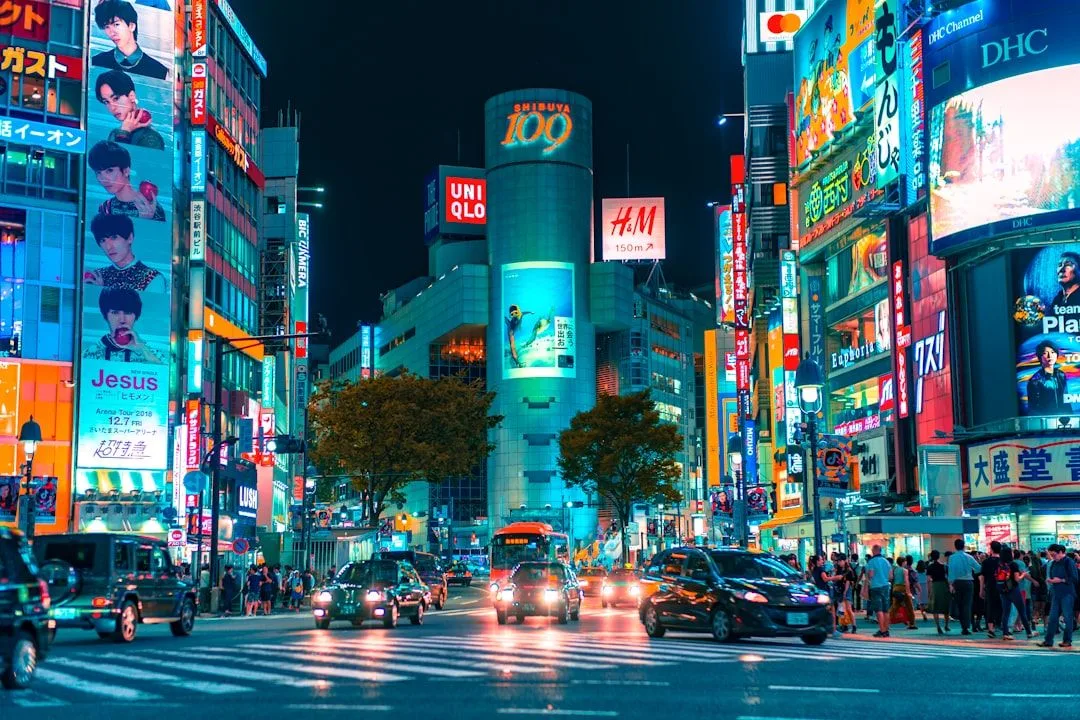
Japan's rail network is good enough that driving is usually the worse option. There are, however, specific routes where the train genuinely does not reach and a car transforms the trip.
The paperwork first
An International Driving Permit in the 1949 Geneva Convention format, obtained at home before travelling. It cannot be issued in Japan.
A few nationalities — Switzerland, Germany, France among them — need an official Japanese translation of their licence instead.
Without the right document, rental is refused. This catches people out at the counter.
Drive on the left. Take the ETC card from the rental company for automated toll payment; tolls are substantial and manual payment is slow.
The Izu peninsula
Two hours south of Tokyo, and the best case for a car.
A coastal road with sea views, onsen towns — Atami, Ito, Shimoda — and the Jogasaki coast with its lava cliffs and suspension bridge.
Shimoda at the southern tip, where Perry's ships arrived in 1854, with good beaches.
Rail reaches the eastern coast only; the west and the interior need a car.
Two to three days.
The Fuji Five Lakes
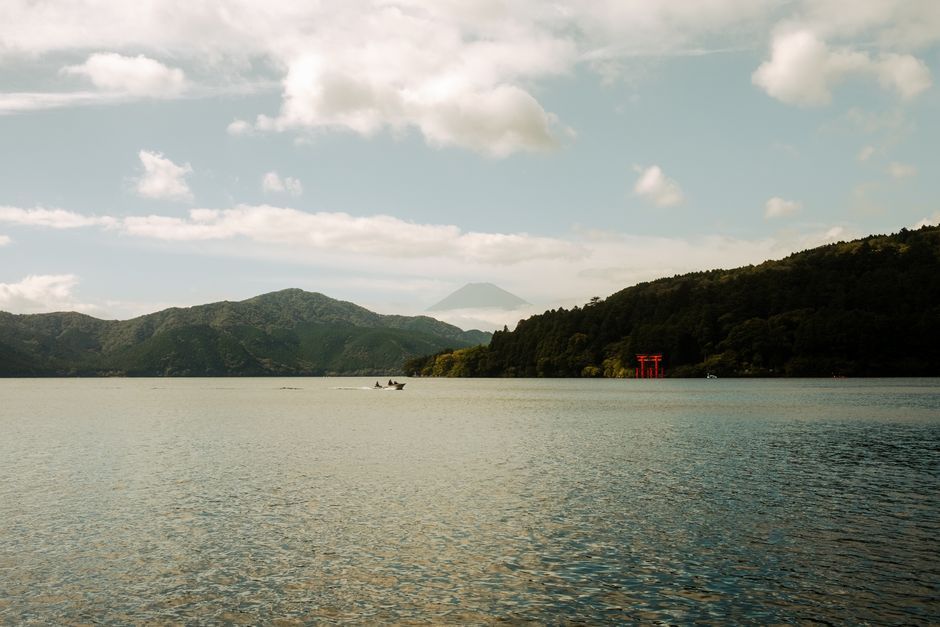
The lakes north of Mount Fuji, and rail serves only Kawaguchiko.
Lake Motosu and Lake Shoji are quieter and have the better views. The Fuji Panoramic Line connects them.
Chureito Pagoda for the classic pagoda-and-Fuji shot, which involves 400 steps.
Fuji is visible far more reliably in winter than in summer, when haze hides it for weeks.
The Japan Alps
Nagano and Gifu prefectures.
Kamikochi is closed to private cars — park at Hirayu and take the shuttle — but everything around it needs one.
Norikura Skyline, one of the highest paved roads in Japan, open summer only.
Shirakawa-go and Gokayama, the steep-thatched villages, connected by road far better than by bus.
Onsen villages — Nozawa, Shibu, Yudanaka — where the snow monkeys are.
The Boso peninsula
Directly across the bay from Tokyo, and almost entirely ignored by visitors.
Coastal roads, surf beaches, the Nokogiriyama stone quarry temple with a giant carved Buddha, and seafood towns.
A weekend, and it is the closest genuinely rural landscape to the city.
Nikkō and beyond
Nikkō itself is easy by train. Beyond it:
Irohazaka, the hairpin road up to Lake Chūzenji, with 48 curves named after the syllables of an old poem.
Oku-Nikkō, the marshes and highlands above, which buses reach infrequently.
Autumn colour here is among the best near Tokyo, and correspondingly congested — go on a weekday.
Costs and practicalities
| Item | Rough |
|---|---|
| Compact car, per day | ¥6,000–9,000 |
| Tokyo–Nagano tolls | ¥6,000+ each way |
| Petrol, per litre | ¥165–185 |
| Rural parking | Often free |
Expressway passes for foreign visitors — unlimited regional toll travel for a fixed price — are offered by several rental companies and pay off quickly on a multi-day route.
Do not rent in central Tokyo. Pick up at a suburban station on the way out, or at the airport.
Car park locking plates — mechanical bars that rise under the vehicle until payment — are standard and confuse first-timers.