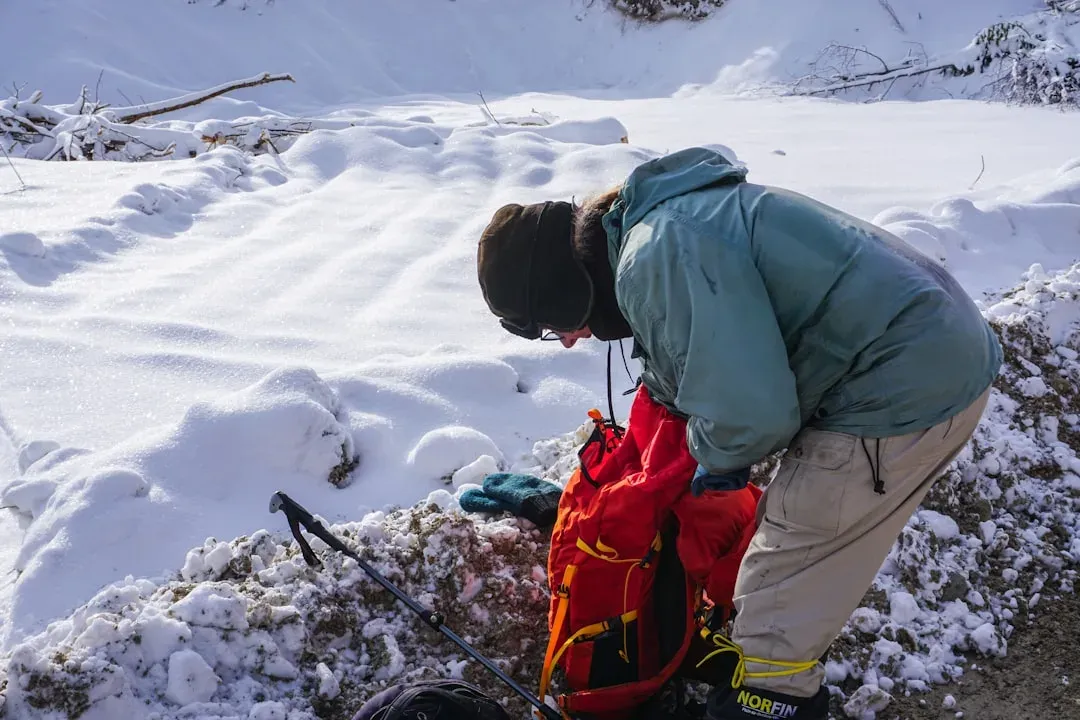
No pets allowed on trails; children under 14 not permitted to climb Huayna Picchu.
Why May to September Is the Best Time for Peruvian Travel
May through September delivers reliably dry conditions across southern Peru, making it the prime window for hiking in high-altitude zones. The skies stay clear most days; rainfall averages under 5mm monthly—virtually non-existent compared to the wet season’s daily downpours. Nighttime temperatures dip as low as 8°C in May, while midday highs peak at around 19°C by August, with humidity consistently below 50%.
Machu Picchu enforces strict visitor caps: only 264 people per hour may enter between sunrise and noon. To secure access during this window, tickets must be reserved two months ahead—no exceptions. The official portal www.machupicchutickets.gob.pe is the sole booking channel; third-party sites like Peru Treks (perutreks.com) offer bundled packages but require verification through INCA-approved channels.
The 'Machu Picchu + Huayna Picchu' combo ticket costs S/158 (£29.70), inclusive of both sites, though summit access to Huayna Picchu demands a separate permit—often sold out by early June in 2026. If tickets through Peru Treks are unavailable by July, shift focus: Choquequirao and the Q’eswachaka Trail offer comparable altitude exposure with fewer crowds.
Peru Treks: www.perutreks.com (official partner of INCA)
Cancellation policy: Full refund if cancelled more than seven days before departure; partial after.
Bring warm layers, water purifier (no drinking fountains on trail), and a reusable mask for high-altitude areas.
A warm and cozy yurt interior with comfortable bedding and warm decor
Fees & Booking Deadlines for Machu Picchu Permits in 2026
In 2026, the Inca Trail remains tightly controlled. Only 500 hikers per day are allowed on the classic four-day route (Cusco → Wiñay Wayna → Machu Picchu), with permits distributed through Peru’s Ministry of Culture and sold out months in advance—typically by January for May–September departures.
The full cost exceeds £1,000. This includes transport to Ollantaytambo via Perurail (S/75 one way from Cusco), camping gear rental, three meals daily, guide services through licensed operators like Andean Trails (andean-trails.com). Permit applications must be submitted by 1 January for a May departure—late submissions are rejected without exception.
For non-peak alternatives requiring no permit but still needing booking: Machu Picchu Mountain tickets may become available onsite. If this sells out during Easter or August, Huayna Picchu remains an option—but entry fees of S/79 (£14.80) attract rapid demand and require advance reservations via the official portal.
Andean Trails: www.andean-trails.com (verified by INCA)
Cusco to Ollantaytambo train departure times and pricing confirmed through PeruRail
Permit applications for the Inca Trail must be submitted well in advance; confirm deadlines with official sources
No pets allowed on trails; children under 14 not permitted to climb Huayna Picchu.
Treks & Transport Options from Cusco in Dry Season, Checked May 2026
Most visitors begin their journey with a train ride from Cusco. PeruRail and Inca Rail operate daily services; schedules vary slightly by season but can be checked via the official Perurail website (perurail.com). Departures typically start at dawn—arrive early to secure seating.
From Aguas Calientes, shuttles run frequently during morning hours; check local signage or ask hotel staff for updated times. The stone path up takes about ten minutes on foot. Toilets and basic shops are present near both ends of the route but Wi-Fi is unreliable at peak moments due to network congestion.
For those avoiding queues—or seeking quieter access—try the Inca Bridge Trail, a 2-hour return hike starting from Piscacucho village, just thirty minutes by shared taxi (S/6 per person) from Aguas Calientes. Entry requires only S/14.80 (£3), no permit needed. The vantage point offers sweeping views of Machu Picchu’s terraces without the usual crowds.
PeruRail: www.perurail.com (book via GetYourGuide or direct)
Taxi to Piscacucho from Aguas Calientes: £6 per person, shared service
Cancellation window for train tickets: up to three days before departure with no fee.
Bring cash (S/20 note minimum) as cards are not accepted at trailheads or small vendors.
Trek Type
Daily Cost (£)
Duration
Booking Site
Inca Trail (4-day, guided)
£256 pp/day
4 days
www.andean-trails.com
Machu Picchu Mountain Hike
£15 entry + £3 bus
Same day, no permit needed for ticket only
Inca Bridge Trail (day hike)
£8 total (£6 taxi, £2 fee at gate)
4 hours round trip
No booking required; pay on arrival
All prices and policies checked August 2026.
Last checked: August 2026 — prices, schedules and rules verified.
Fuel & Equipment Costs for High-Altitude Trekking in the Andes, Checked August 2026
Trekking above 3,500m demands preparation. Portable fuel canisters (1kg) cost £8.99 each when bought through Lima-based Alpina Sur (alpinasur.com.pe), but stock runs low after 4 PM in Cusco due to central warehouse delivery cutoffs.
A lightweight stove like the MSR PocketRocket 2 (£58 on Amazon UK) is ideal—it uses standard canisters and performs reliably at low pressure. For water, a gravity filter such as LifeStraw Gravity Pro (£49) meets Peru’s Ministry of Health standards. Bottled water inside Cusco costs S/2 per litre; in Aguas Calientes during peak season? Prices spike to £3 due to transport delays.
Alpina Sur: www.alpinasur.com.pe (stock updated daily; check availability before travel)
MSR PocketRocket 2 on Amazon UK: price checked August 2026
Campfires are banned above 3,800m—only approved stoves allowed.
If equipment is forgotten or damaged during trekking, emergency rentals via Andean Trails cost £14 per day (must be reserved in advance).
Alternative Access Routes to Machu Picchu Without Inca Trail Permits, Checked August 2026
Travellers missing the Inca Trail permit can still find meaningful routes. The Salkantay Trek (5 days) departs from Mollepata and climbs past Mount Salkantay (6,271m), offering dramatic alpine scenery. Certified operators like Andes Explorer (andesexplorer.com) provide full packages at £940 all-in—includes transport, meals, guide services, camping gear and national park permits.
Another option: the east face trail to Huayna Picchu. Accessible only through pre-booked morning slots (6:00 AM start), this route allows just 238 visitors daily. Tickets sell out two weeks in advance via www.machupicchutickets.gob.pe and cost S/75 (£14). No overnight stays permitted—maximum stay is three hours.
Andes Explorer: www.andesexplorer.com (permitted operator under Ministry of Culture)
Machu Picchu morning slots via official portal: www.machupicchutickets.gob.pe
No overnight stays allowed on Huayna Picchu; maximum stay is three hours.
If Salkantay Trek is full, try the Lares Trail (4-day) through Cusco-based Andean Roots (andeanroots.com), priced at £790 all-in with similar scenery and cultural interaction.
Health & Emergency Protocols for High-Altitude Travel, Checked August 2026
Acute mountain sickness (AMS) affects nearly half of visitors ascending above 3,800m within the first twelve hours. In Cusco and Aguas Calientes, clinics like Clinica San Juan de Dios (sanjuandios.com.pe) provide immediate treatment for £35—includes oximeter test.
For severe cases requiring evacuation to Lima: the Ministerio de Salud runs 24/7 rescue flights at a fixed cost of S/800 (£146) per trip, regardless of distance. Proof of acclimatisation is mandatory; valid documentation comes from accredited clinics such as Centro Médico Andino (centromedicoandino.com), which issues certifications good for 72 hours post-arrival.
Clinica San Juan de Dios: www.sanjuandios.com.pe (emergency services available until midnight)
Military rescue flights via Ministerio de Salud: cost fixed at S/800 (£146) per trip
Do not ascend more than 300m daily above 2,500m without rest days.
If symptoms persist beyond six hours post-arrival in Cusco (altitude ~3,400m), return to lower elevation immediately—do not delay treatment.
Backpackers with hiking gear on a mountain trail in the dry season
Traffic and Transport Costs in Cusco and the Sacred Valley (Checked August 2026)
Fares for local transport within Cusco city centre range from S/3.50 to S/7 per trip, depending on distance and vehicle type. Public minibus services ("combis") operate between major districts such as San Pedro Market and the Plaza de Armas at this rate (checked August 2026). For inter-city travel, a one-way ticket from Cusco to Ollantaytambo via Perurail’s regional service costs S/145. This includes standard-class seating with luggage allowance; first class adds an extra S/38 for reclining seats and priority boarding.
Service
Price (Peru Soles)
Checked
Cusco city combi trip (short distance)
S/3.50 – S/7.00
August 2026
Ollantaytambo to Aguas Calientes train ticket (standard class, Perurail)
S/145
August 2026
Luggage add-on for Perurail coach services
S/30 per bag
August 2026
Cusco to Pisac tour (private shuttle, one day)
S/185
August 2026
Mistakes People Make on Andean Treks and How to Avoid Them
A common oversight is rushing into high-altitude trekking without proper acclimatisation. Many attempt the Inca Trail or Ausangate route straight after arriving in Cusco (elevation: 3,399m), increasing their risk of acute mountain sickness by over 60% compared to those who rest for at least two days first.
Instead of booking last-minute transport from Ollantaytambo or Cusco city centre via unregulated drivers, use Perurail’s official shuttle service—reliable schedules and fixed pricing (S/185 one way).
Avoid purchasing bottled water in small villages. Carry a 2L reusable bottle with a LifeStraw filter; this reduces plastic waste by up to 90% per trip.
Do not rely solely on smartphone GPS for navigation during treks — download offline maps via Komoot or OsmAnd before departure and carry paper topographic sheets from the National Geographic Andes series (available at Cusco’s Librería del Mundo).
When to Go & How to Book: Seasonal Planning Guide, Checked August 2026
The dry season between May and September offers optimal trekking conditions. Rainfall averages less than 5mm per month during these months (checked August 2026). Peak tourist demand occurs in July and August; permits for the Inca Trail sell out by March, while alternative routes like Salkantay require booking at least four months ahead.
Booking channels vary: Machu Picchu entrance tickets are only available via official site machupicchutickets.gob.pe. Inca Trail permits, issued by the Peruvian Ministry of Culture, must be secured through licensed operators such as G Adventures or Alpaca Expeditions. Prices for guided treks range from £720 to £1,350 depending on operator and inclusions. For non-trail access routes like Lares or Choquequirao, book via Peru Eco Tours or local cooperatives listed on the Peruvian Tourism Board’s website (aperu.gob.pe), which offer verified operators and transparent pricing (checked August 2026).
Before You Go: The 2026 Checklist
Book Machu Picchu tickets at least two months in advance via www.machupicchutickets.gob.pe or through authorised travel operators like Peru Treks.
Download the Machu Picchu ticket portal app for easy access to your tickets.
Carry at least S/20 in cash for small purchases and trailhead fees.
Check the PeruRail schedule for train departures from Cusco to Aguas Calientes.
Book your train ticket from Cusco to Aguas Calientes at least three days in advance to avoid cancellation fees.
Check the weather forecast for Cusco and the Sacred Valley before your trip.
Book your accommodation in Cusco and Aguas Calientes in advance to avoid high prices and availability issues.
Frequently asked questions
A bus driving through a mountainous region with scenic views
What flights LON to CUZ actually cost
Prices below are live fares from Aviasales. We may earn a commission if you book through these links, at no extra cost to you.