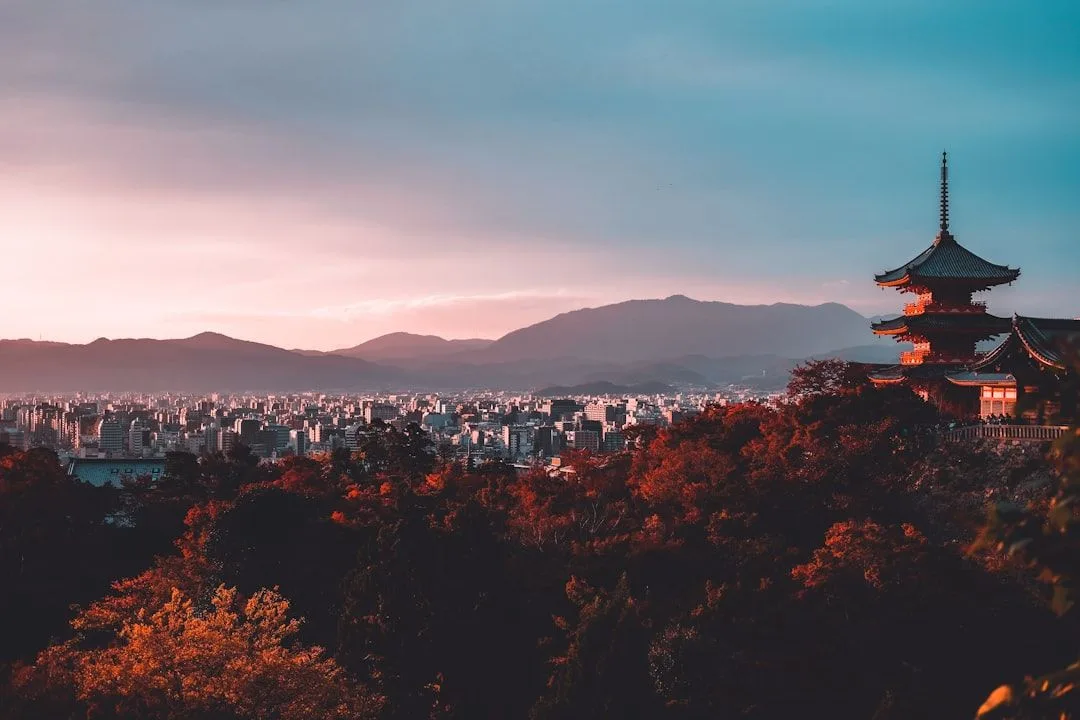
Italy's south is cheaper, emptier and harder to move around than the north. The last part is why the first two remain true.
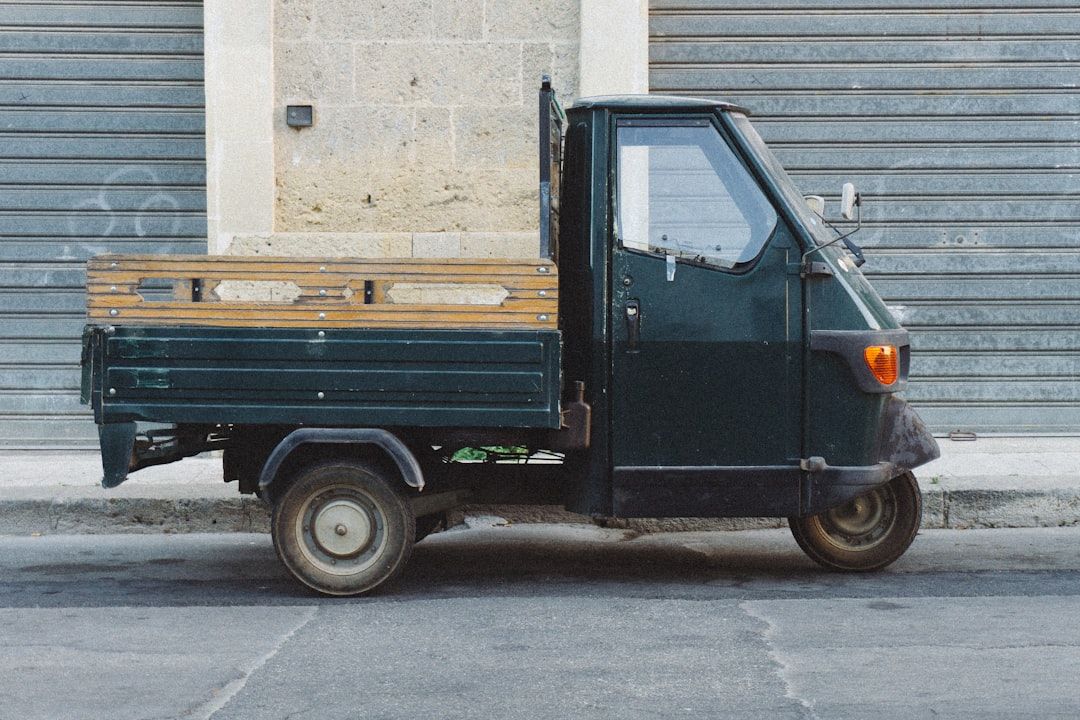
Puglia
The heel, and the region that has grown most in reputation.
Lecce — Baroque in soft local limestone, called the Florence of the south with some justification, and a proper city rather than a preserved centre.
The Valle d'Itria — Ostuni white on its hill, Locorotondo, Martina Franca, and Alberobello's conical trulli, which is touristed and still remarkable.
The Salento coast — Otranto, Gallipoli, and water the colour of the Caribbean.
Polignano a Mare, built on a cliff over a cove.
You need a car. Rail connects only the larger centres on slow regional services, and the appeal is the small towns between them. Bari and Brindisi both have rental desks.
Basilicata and Matera
Matera, an hour from Bari, and unlike anywhere else in Europe.
The Sassi are cave dwellings carved into a ravine, inhabited continuously for millennia, evacuated in the 1950s as a national disgrace, and since restored — with hotels now inside the caves.
Two nights. It is quietest in the evening after the day visitors leave.
Maratea on the Tyrrhenian coast is Basilicata's other side, a cliff-town resort almost no foreign visitors reach.
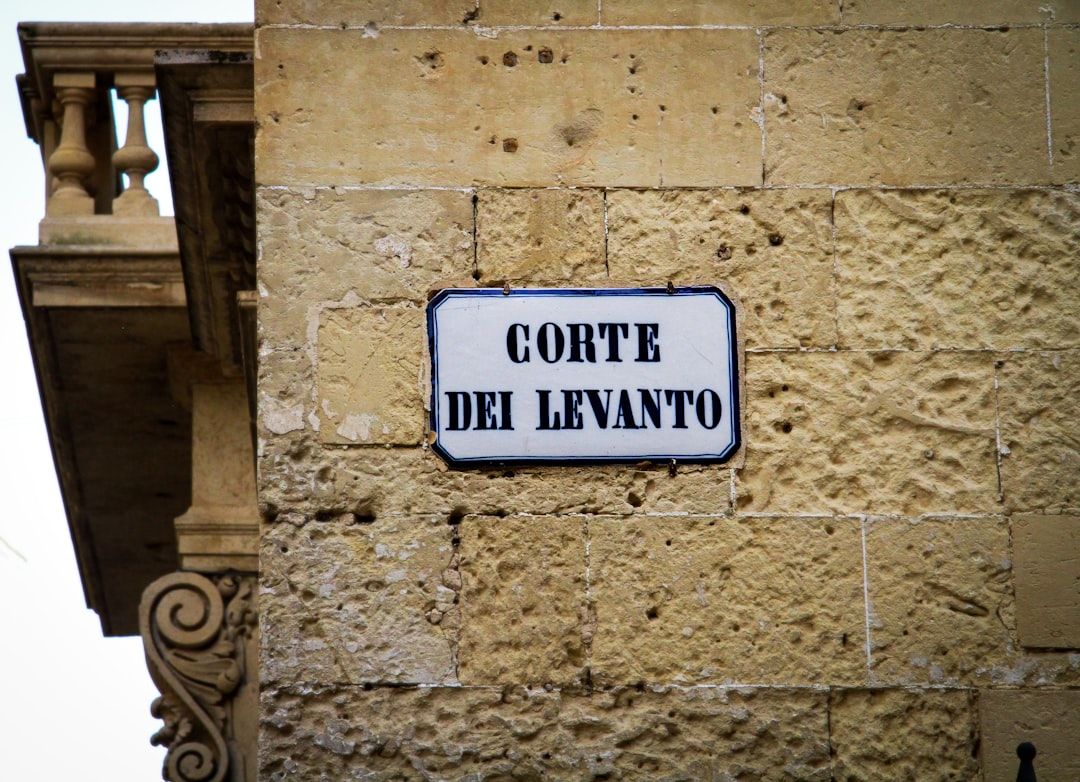
Sicily
Ten days minimum, two weeks better. The regions are genuinely distinct and driving times exceed what the distances suggest.
The Baroque southeast — Noto, Ragusa, Modica, Siracusa and its island of Ortigia — rebuilt after the 1693 earthquake and architecturally coherent in a way little else is.
Palermo and the west — markets, Norman-Arab architecture, Monreale's mosaics, and street food that is the best in Italy.
Etna — accessible by cable car and 4x4, and the surrounding wine region on volcanic soil.
Agrigento's Valley of the Temples, Greek and better preserved than most of Greece.
The Aeolian islands — Stromboli erupting continuously, Salina, Lipari — by ferry from Milazzo.
Calabria
The least visited mainland region, with the Riace bronzes in Reggio, Tropea on its cliff, and the Aspromonte and Sila mountains.
Genuinely undeveloped for tourism, which is both the appeal and the difficulty.
Getting there and around
Fly to Bari, Brindisi, Palermo or Catania rather than routing through Rome. Low-cost carriers serve all four from across Europe.
Rent a car at the airport. The south's rail network is slow and sparse.
ZTL zones apply in historic centres here too — park outside and walk in.
Timing
May, June, September, October.
July and August are extremely hot — Sicily regularly exceeds 40°C — and Puglia's coast fills with Italian domestic holidaymakers, which is the one time prices there match the north.
Winter is mild and many coastal businesses close. Palermo, Catania, Lecce and Matera work year round.