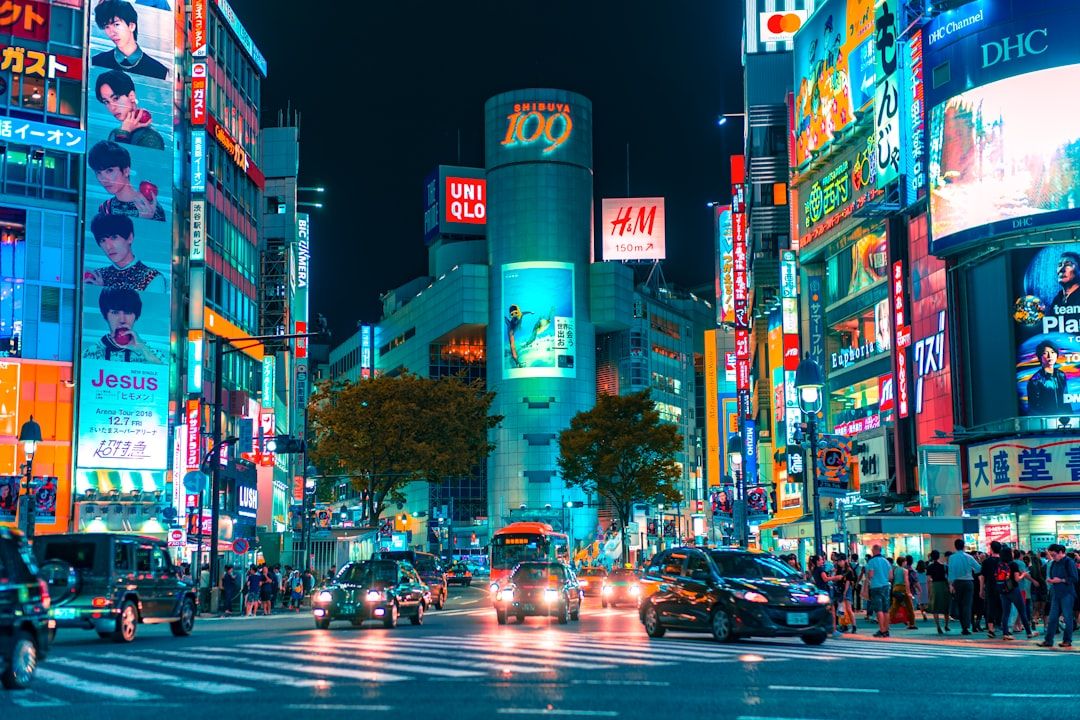
Almost every first Japan trip is Tokyo, Kyoto and Osaka. The second trip is where the country opens up, and the regions involved are not remote — most are ninety minutes to three hours by shinkansen.
Kanazawa and the Japan Sea coast
Two and a half hours from Tokyo, and effectively a compact Kyoto with a fraction of the visitors.
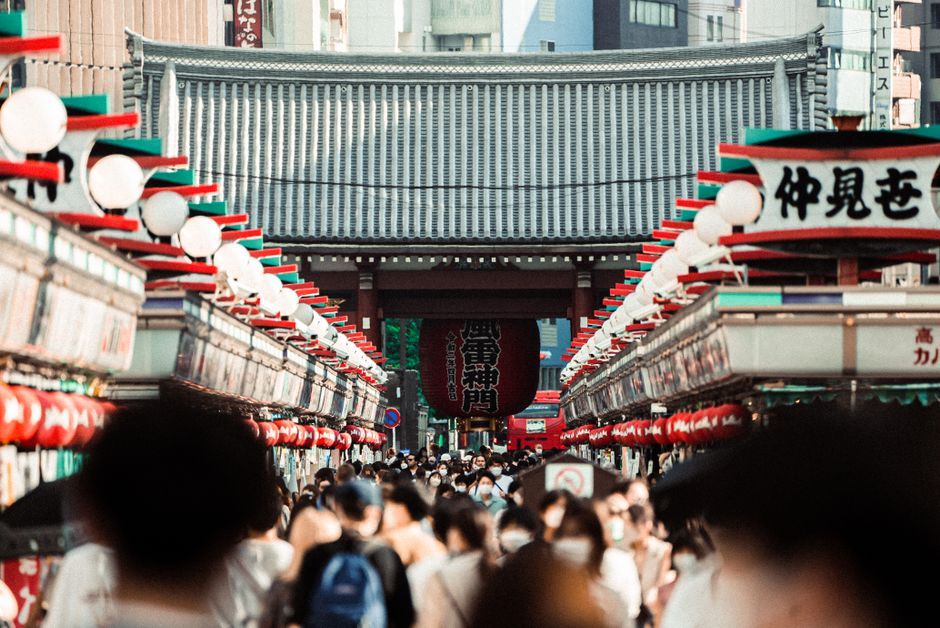
Kenrokuen, one of Japan's three great gardens. A preserved samurai district and three geisha quarters. The 21st Century Museum of Contemporary Art, which is excellent. And Omicho market for the seafood the Japan Sea produces.
Nearby: Shirakawa-go, the steep-thatched mountain village, and the Noto peninsula.
Kyushu
The southern island — volcanic, hot-springed, and with its own food culture.
Beppu and Yufuin for onsen, Beppu's being the largest hot spring output in the country.
Mount Aso, one of the world's largest calderas, with a town inside it.
Kagoshima, facing the constantly active Sakurajima volcano across the bay, which drops ash on the city.
Nagasaki, with a history of Dutch and Portuguese contact that makes it unlike anywhere else in Japan, and the atomic bomb museum.
Fukuoka for ramen and the yatai street food stalls that set up along the river at night.
Tohoku
The northern third of Honshu, and the least visited part of the country by international travellers.
Sendai is ninety minutes from Tokyo by shinkansen, so it is not remote — it is just skipped.
Ginzan and Nyuto onsen, among the best hot springs in Japan.
Lake Towada and the Oirase gorge for autumn colour.
Yamadera, a temple complex up a thousand stone steps.
Heavy snow in winter — the Zao snow monsters, ice-encased trees on the mountain.
Shikoku and the art islands
The smallest main island, with the 88-temple pilgrimage circling it — walkable in six weeks or drivable in a week, and sections can be done in days.
The Iya valley, with vine bridges and gorges.
And in the Seto Inland Sea, the art islands — Naoshima, Teshima and Inujima — built over decades into a network of museums and site-specific installations in former fishing villages.
Ferries from Uno or Takamatsu. Most museums close on Mondays and accommodation on Naoshima is limited and books early. The Setouchi Triennale, every three years, expands the whole thing.
Practical for going off the main line
English drops off outside the main cities, though signage on transport remains bilingual and translation apps handle menus.
Regional rail passes — JR Kyushu, JR East Tohoku — are considerably better value than the national pass for these trips.
Book onsen ryokan ahead, particularly in autumn colour season, when Japanese domestic travel fills them.
Rural buses run infrequently. Check the last departure before setting out; in some valleys it is mid-afternoon.