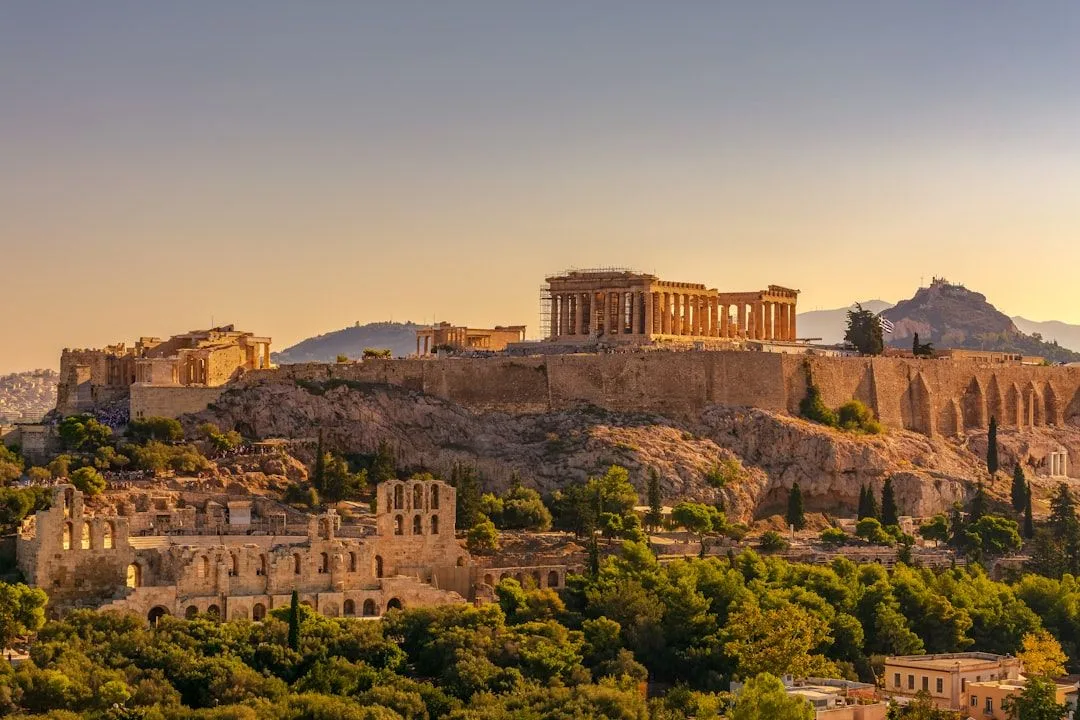
Portugal is small on a map — roughly 560 km from north to south — and travels slower than that suggests, because everything off the Lisbon–Porto axis is poorly connected.
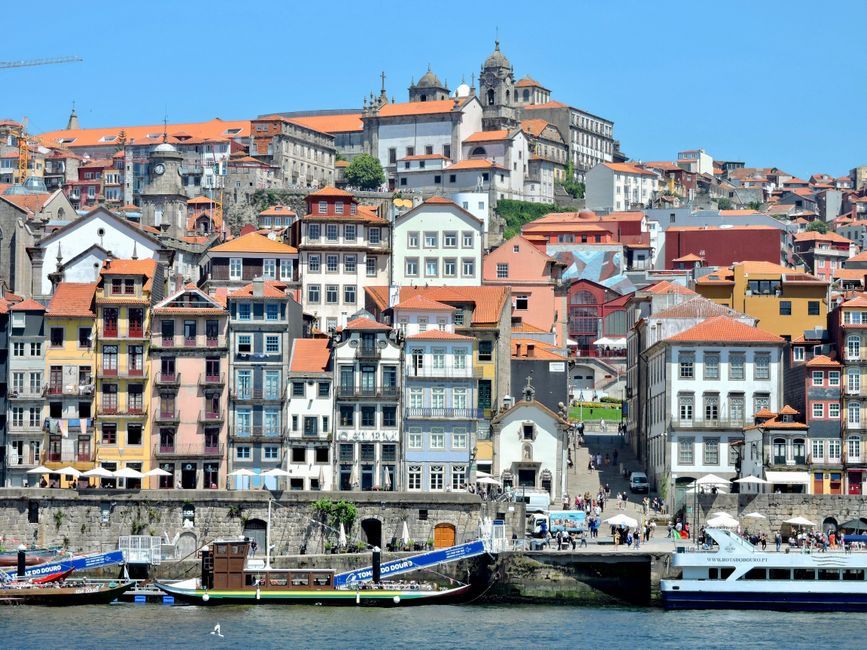
The spine
Lisbon to Porto on the Alfa Pendular, about three hours, comfortable, and busy on Friday and Sunday. Book those days ahead.
Along the line: Coimbra, the old university city, worth a stop.
Flying between the two makes no sense once transfers are counted.
Off the spine, you need a car
The Alentejo — the vast, empty, wheat-and-cork region between Lisbon and the Algarve, with walled Évora, Monsaraz on its hill, and Marvão. Almost no international visitors and the best value in the country.
The Algarve beyond Faro, Lagos and Albufeira. The west coast around Sagres and the Costa Vicentina is wilder, cooler and largely undeveloped, and buses barely reach it.
Serra da Estrela, the mountains, for walking.
The inland north — Peneda-Gerês national park, the Minho villages.
Rural bus services are sparse and thin further outside summer. Rent locally rather than driving out of Lisbon.
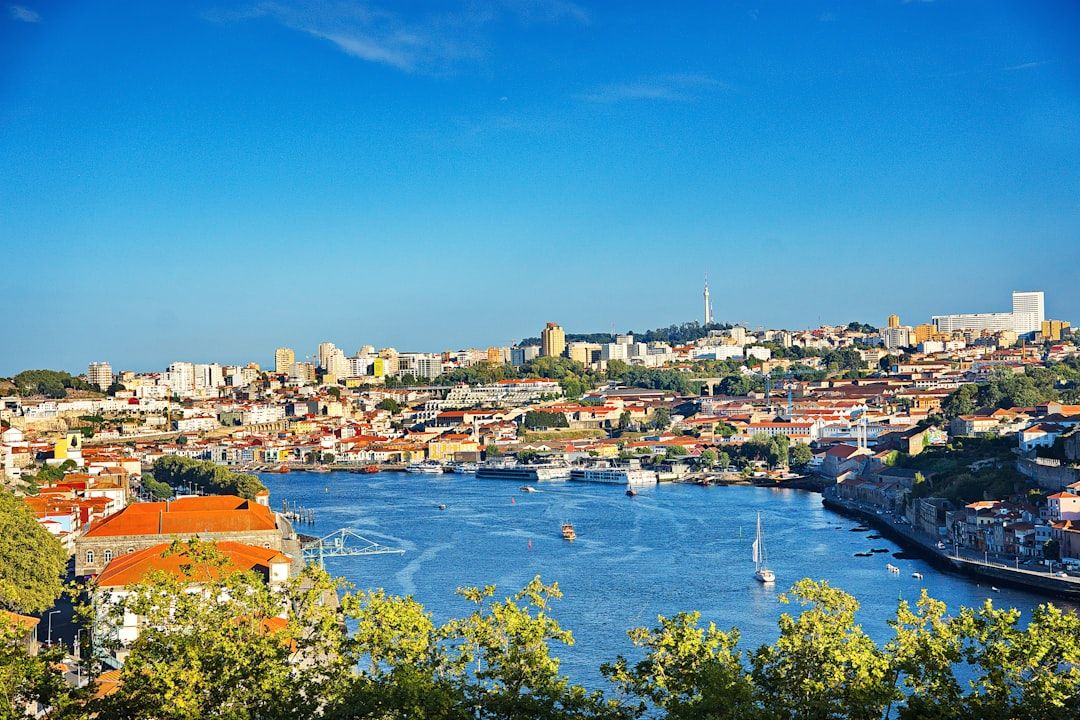
The Douro
Three ways in, and they are not equivalent.
By train from Porto along the river to Pinhão — one of Europe's most scenic rail lines, cheap, and the last stretch runs at water level through the terraces.
By car, which is how you reach the quintas up on the slopes for tastings. Note the drinking limits.
By river cruise from Porto, slower than the train for a comparable view.
Harvest in September adds activity and fills accommodation months ahead.
Where to base
For a week: Lisbon 3, Porto 3, with Sintra and the Douro as day trips.
For ten days: add the Alentejo with a car between the two, which is the version most visitors miss and the one that makes the trip distinctive.
Sintra is a day trip from Lisbon and is heavily crowded — the palaces use timed entry and Pena in particular should be booked. Go early and start at the furthest point.
Timing
| Period | Notes |
|---|---|
| Apr–Jun | Best — warm, green, uncrowded |
| Jul–Aug | Hot inland, Algarve at capacity |
| Sep–Oct | Excellent, sea still warm, harvest |
| Nov–Mar | Mild in the south, wet in the north |
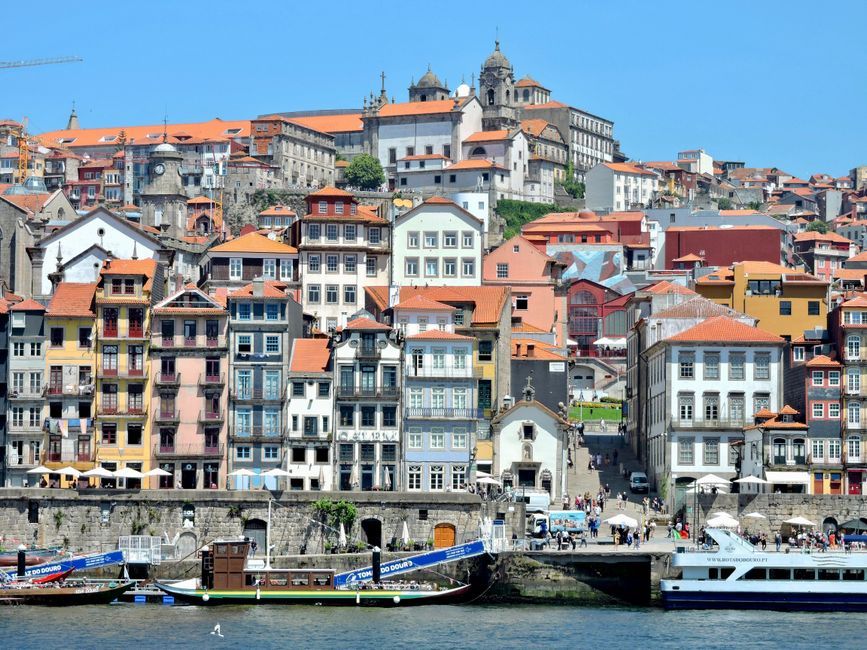
Porto rains considerably more than Lisbon — the north is green for a reason. Pack for it even in spring.
Practical
Lisbon's hills are steeper than photographs convey, on slippery calçada paving. The funiculars and Elevador de Santa Justa are public transport, not attractions.
Tram 28 is packed and is a pickpocketing hotspot. The 12 covers similar ground with fewer people.
The couvert — bread, olives, cheese brought unasked — is charged. Refusing it is normal and not rude.
Motorway tolls are partly electronic-only; rental companies offer a transponder, which is worth taking.