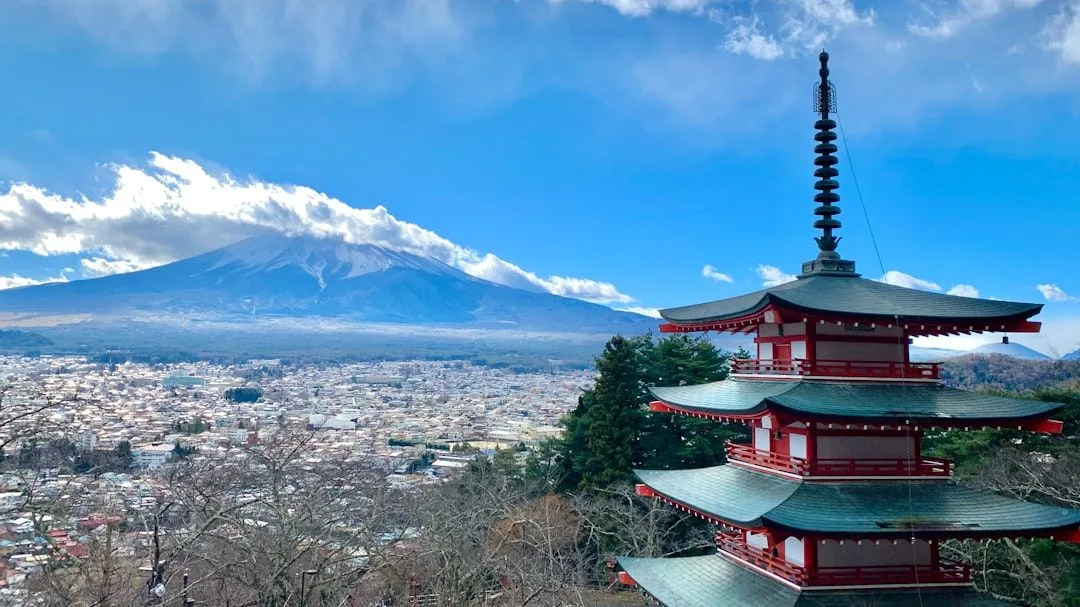
Spain's visitors concentrate in Barcelona, Madrid, Seville and the coasts. Entire regions with world-class food, architecture and landscape are left largely to Spaniards.
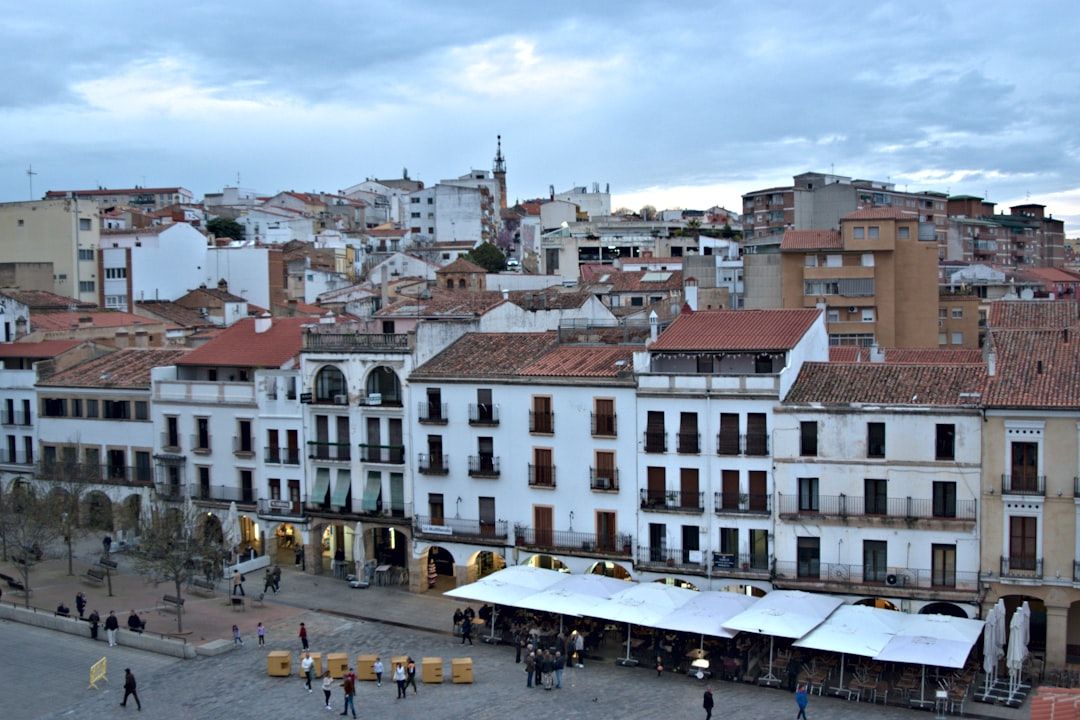
Extremadura
The western region bordering Portugal, and the emptiest.
Cáceres — a walled medieval old town so intact it is used as a film location, with almost no one in it.
Mérida — the best Roman remains in Spain, including a theatre still used for performances, an amphitheatre, an aqueduct and a bridge.
Trujillo, the birthplace of several conquistadors, with the palaces their plunder built.
Monfragüe national park for vultures and eagles.
And jamón ibérico de bellota from the oak pastures, which is where the best of it comes from.
Galicia
Green, Atlantic, Celtic in its music and its weather, and unlike the rest of Spain.
Santiago de Compostela — the Camino's endpoint, with an old town that works even without the pilgrimage.
The Rías Baixas — drowned river valleys producing Albariño and the best shellfish in Europe. Percebes, octopus, scallops.
Costa da Morte, the dramatic and largely undeveloped coast north of Finisterre.
Ribeira Sacra, inland, where vines grow on terraces above a gorge.
Asturias
Cider, poured from height to aerate it, in a ritual taken entirely seriously. The sidrerías are the social centre.
The Picos de Europa, rising to 2,500 metres within twenty kilometres of the coast.
Pre-Romanesque churches from the ninth century — Santa María del Naranco above Oviedo — which predate almost everything else standing in Spain.
And a coastline of fishing towns and coves, cooler than the Mediterranean and correspondingly empty in August.
Aragón
Mudéjar architecture in Teruel and Zaragoza — brick and tile work by Muslim craftsmen under Christian rule, and unlike anything elsewhere.
Ordesa national park in the Pyrenees.
Albarracín, a pink-walled hill town that is regularly called Spain's most beautiful village and receives almost no foreign visitors.
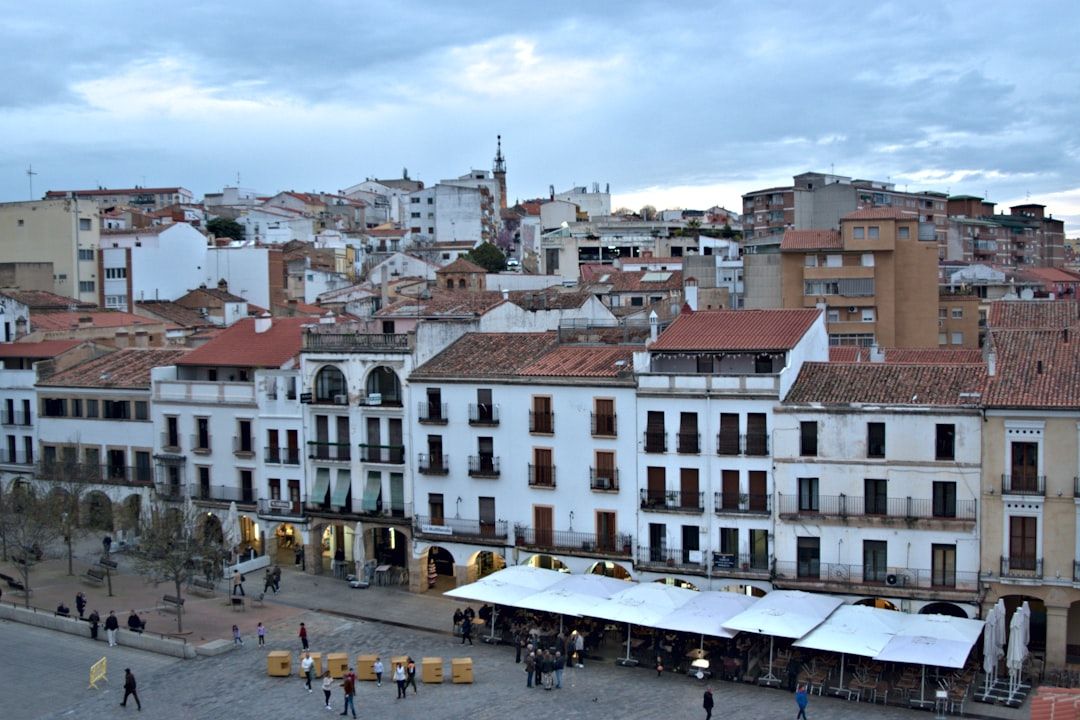
The Basque interior
Everyone goes to San Sebastián and Bilbao. Inland:
Rioja Alavesa for wine, with the Frank Gehry-designed Marqués de Riscal winery.
Vitoria-Gasteiz, the Basque capital, a green city almost nobody visits.
The Basque coast east of Bilbao — Getaria, Lekeitio, and the Gaztelugatxe islet.
Getting there
Mostly by car. High-speed rail serves the major cities and thins out considerably beyond them.
Regional airports at Santiago, Asturias, Zaragoza and Badajoz have some connections, and renting locally from those beats driving out from Madrid.
Prices in these regions run noticeably below the coastal and headline-city norm — a good restaurant meal in Cáceres costs what tapas cost in Barcelona.
Timing
The north — Galicia, Asturias, Basque — is at its best June to September and rains substantially the rest of the year.
Extremadura and Aragón are best April to June and September to October; the interior exceeds 40°C in summer.