
Vietnam: The Country Is Long and the Weather Splits Three Ways
Trip PlanningItinerary🌏 Hoi An

Vietnam: The Country Is Long and the Weather Splits Three Ways

Vietnam runs 1,650 kilometres north to south and has three separate climates, so there is no single best month.

Go Trip Editorial

August 16, 2026 · 3 min read

Key takeaways

  • Vietnam is 1,650 kilometres long and has three distinct climates.
  • The windows when most of the country works at once: February to April and August to October, with the caveat that central Vietnam floods in late autumn — Hoi An's old town regularly takes water.
  • North to south (Hanoi → Ho Chi Minh City) is the more common direction, and either works.
  • Hanoi (3) — old quarter, street food, and the launch point for the north.
  • North (Hanoi, Sapa, Ha Long): Mar–May, Sep–Nov — Dec–Feb cold and misty.

Vietnam is 1,650 kilometres long and has three distinct climates. There is no single best month — there is only a best month for the part you are going to.
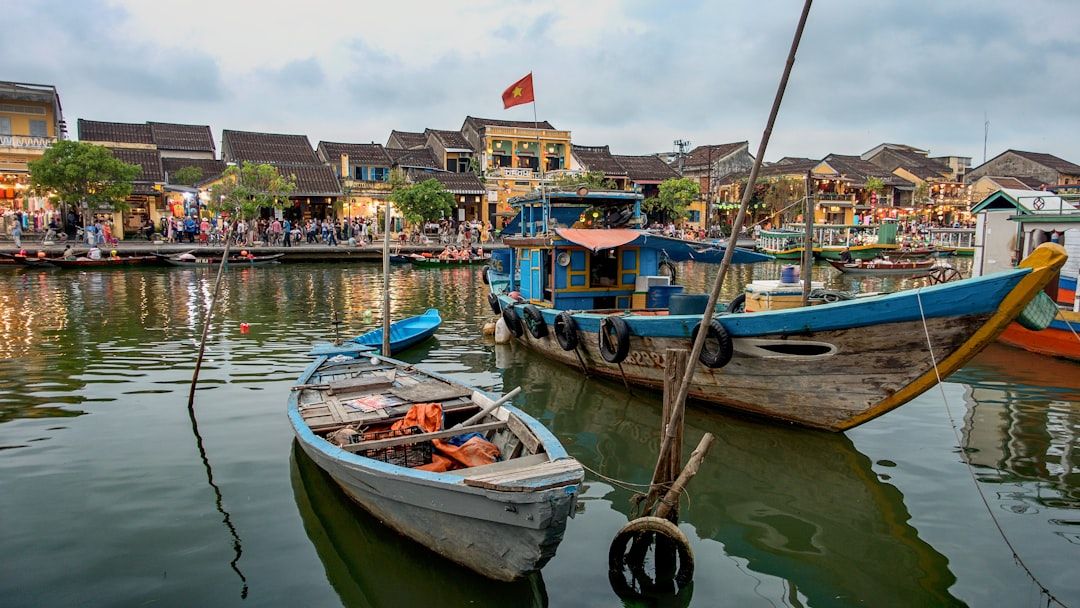
The three climates in Hoi An

The three climates

RegionGoodAvoid
North (Hanoi, Sapa, Ha Long)Mar–May, Sep–NovDec–Feb cold and misty
Centre (Hue, Hoi An, Da Nang)Feb–AugOct–Nov heavy rain, flooding
South (HCMC, Mekong)Dec–AprMay–Oct wetter, though brief

The windows when most of the country works at once: February to April and August to October, with the caveat that central Vietnam floods in late autumn — Hoi An's old town regularly takes water.
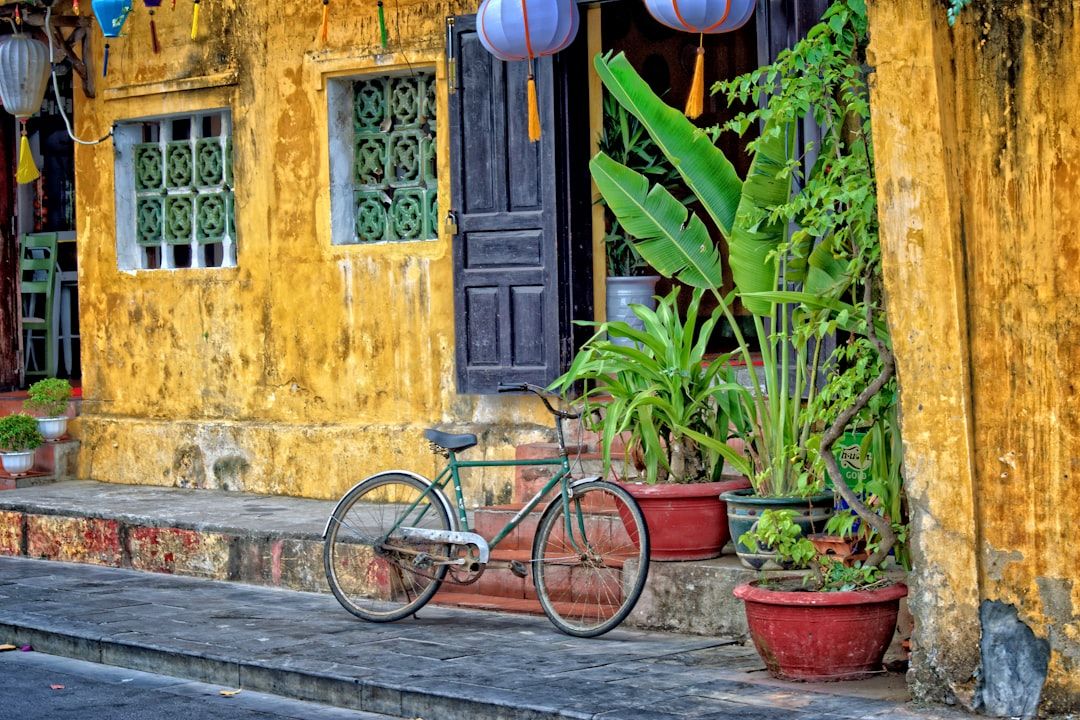
Direction and transport in Hoi An

Direction and transport

North to south (Hanoi → Ho Chi Minh City) is the more common direction, and either works. What matters is not backtracking.

Internal flights are cheap and are the only fast way to cover the length — Hanoi to Ho Chi Minh City is two hours by air against 35 by train.

Sleeper trains are worth it on specific stretches. The Hue to Da Nang coastal section over the Hai Van Pass is one of the best rail journeys in Asia. Soft sleeper cabins are comfortable.

Buses are cheap and the sleeper buses are an acquired taste.
The core route in Hoi An

The core route

Hanoi (3) — old quarter, street food, and the launch point for the north.

Ha Long / Lan Ha Bay (2) — overnight cruise rather than a day trip, because the bay empties in the evening and that is when it is worth being there. Lan Ha and Bai Tu Long are adjacent, part of the same karst landscape, and carry a fraction of the boats.

Sapa or Ha Giang (3) — terraced mountains. Ha Giang's motorbike loop is the more rewarding and the more demanding.

Hue (2) — imperial citadel, tombs along the river.

Hoi An (3) — lantern-lit old town, tailors, and the beach nearby. Touristed and still lovely.

Ho Chi Minh City (2) plus the Mekong Delta — the delta is better with an overnight in Can Tho for the floating market at dawn, not the day-trip version.

Practical

Visa. Vietnam's e-visa and exemption rules have changed repeatedly. Check the current requirement for your nationality close to travel rather than relying on older information.

Crossing the road in Hanoi or Ho Chi Minh City: walk slowly and steadily and do not stop. Traffic flows around you. Hesitating is what causes accidents.

Motorbike rental requires the correct licence for insurance to be valid, and most travel policies exclude riding without one.

Coffee is a serious matter — cà phê sữa đá with condensed milk, and egg coffee in Hanoi.

Tet, the lunar new year in late January or February, closes much of the country for a week and transport books out entirely.

Frequently asked questions

When is the best time to visit Vietnam?

There is no single answer, because the north, centre and south have different seasons. February to April and August to October are the periods when most of the country is reasonable at once. The north is cold and misty from December to February, the centre has heavy rain around October and November, and the south is warm year round with a wetter May to October.

Should you travel Vietnam north to south or south to north?

Either works, and the choice is usually driven by flights and by season. Starting in Hanoi and finishing in Ho Chi Minh City is the more common direction. What matters more is not backtracking, since the country is 1,650 kilometres long and internal flights are the only fast way to cover it.

Are Vietnamese sleeper trains worth taking?

The Hanoi to Hue and Hue to Da Nang stretches are, particularly the coastal section over the Hai Van Pass, which is one of the most scenic rail journeys in Asia. Soft sleeper cabins are comfortable. For the full length of the country, flying saves days for a similar price.

Is Ha Long Bay worth it and are there alternatives?

It is spectacular and heavily visited, with hundreds of boats on the water. Lan Ha Bay and Bai Tu Long, adjacent and part of the same karst landscape, carry a fraction of the traffic. Overnight cruises are better than day trips because the bay empties in the evening.

Check current prices for your trip to Hoi An, Vietnam:

Affiliate disclosure: We may earn a commission from bookings made through these links, at no extra cost to you.

Check prices for your trip:

✈️ Flights🏨 Hotels🎟️ Tours🚗 Cars🚕 Transfers📱 eSIM

Affiliate disclosure: we may earn a commission.